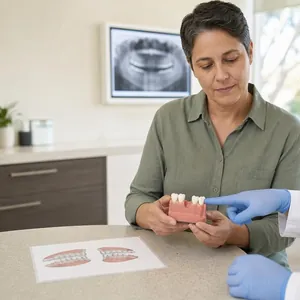
Dental Implants vs. Doing Nothing: What Can Happen After Tooth Loss in Yorba Linda
Losing a tooth is common, but deciding what to do next can feel surprisingly complicated. Many people start by researching Dental Implants Yorba Linda, then pause and think, "What if I just leave the space alone for now?"
Sometimes doing nothing feels like the easiest choice, especially if the missing tooth is not visible when you smile. The reality is that your mouth is a connected system. One missing tooth can affect how the surrounding teeth sit, how you chew, and how easy it is to keep the area clean.
TL;DR - What Tooth Loss Can Change If You Wait
If you leave a gap after tooth loss, the surrounding teeth and bone can change over time. Dental implants can be one way to help stabilize function and long-term oral health, but the right plan depends on your bite, gums, and goals.
- Teeth can drift: neighboring teeth may tip into the gap and the opposing tooth may over-erupt.
- Your bite can change: shifting teeth can create new pressure points and uneven wear.
- Cleaning gets harder: food trapping around a space can increase cavity and gum irritation risks.
- Bone can shrink: bone volume in the area often decreases after tooth loss.
- Timing affects options: delaying can sometimes mean more steps before replacement.
In our previous blog, "Can Family Dentists Perform Dental Implants? | Yorba Linda," we discussed how family dentists can place implants. In this article, we focus on what can change when a missing tooth is left untreated and how a consultation helps you plan.
Why "Doing Nothing" After Tooth Loss Is Still a Decision
A missing tooth is not just a cosmetic gap. It changes how your teeth share chewing forces. It can also change the shape of the space over time, which matters if you decide later that you want a fixed replacement.
One experience-based observation our team often sees is that patients who "get used to the gap" may not notice gradual bite changes until they start feeling food trapping, new sensitivity, or uneven chewing on one side.
What Can Happen After Tooth Loss (In Plain English)
1) Neighboring Teeth Can Drift Into the Space
Teeth naturally want contact with other teeth. When a tooth is missing, the teeth next to the gap can slowly tip or slide toward that space. This can create crookedness, new tight areas that are harder to floss, and changes in how your teeth meet.
2) The Opposing Tooth Can Over-Erupt
If you lose a tooth on the top, the bottom tooth that used to bite against it may slowly rise. If you lose a bottom tooth, the top tooth may drift downward. This movement can lead to bite interference and can reduce the space available for future tooth replacement.
3) Your Bite Can Change and Stress Other Teeth
When a gap changes the way you chew, you may unknowingly shift more force onto other teeth. Over time, this may contribute to uneven wear, sensitivity, or restorations that feel "off" when you bite.
4) Bone Changes Can Occur in the Missing-Tooth Area
The bone around natural teeth is maintained in part by chewing forces transmitted through tooth roots. After tooth loss, it is common for the jawbone in that area to gradually lose volume. The amount and speed vary person to person, and depend on factors like the reason for tooth loss and your overall oral health.
5) Food Trapping and Gum Irritation Become More Likely
A gap can become a place where food collects. If flossing is difficult or uncomfortable around the area, plaque can build up and irritate the gums. If you have a history of gum concerns, keeping inflammation controlled becomes even more important. You can learn more on our periodontal care page.
When Waiting Can Make Tooth Replacement More Complex
Not everyone who delays tooth replacement ends up needing extra steps, but these are common reasons the plan can change over time:
- Less space to restore: drifting teeth can reduce the room needed for a crown or implant restoration.
- Bite changes: an over-erupted opposing tooth can create interference that needs to be addressed.
- Bone volume changes: reduced bone support may limit options or require additional planning.
- Shifting habits: chewing on one side can become the "new normal," which can affect comfort and function.
Where Dental Implants Fit In (And Why People Consider Them)
Dental implants are designed to replace a missing tooth root and support a restoration that looks and functions like a natural tooth. For many patients, the appeal is that implants are fixed (not removable) and can help maintain function without relying on neighboring teeth for support.
If you are exploring tooth replacement options, start with our main page on dental implants in Yorba Linda for an overview of what implants are and how they can be used for single or multiple missing teeth.
What a Consultation Evaluates (Even If You Are Not Ready Yet)
A consultation is not just "yes or no." It is about learning what your mouth needs and what paths are available. A typical evaluation may include:
- Gum health: checking inflammation and any signs of periodontal concerns.
- Bone support: assessing the area with imaging to understand anatomy and volume.
- Bite and spacing: confirming how the teeth fit together and whether the space has shifted.
- Condition of nearby teeth: looking for decay, cracks, or restorations that affect the best plan.
- Whole-mouth planning: making sure the replacement fits your long-term oral health goals.
Not Sure Which Direction to Take? Start With a Family Dentist
If you are weighing options and want guidance that considers your whole mouth, a visit with a family dentist in Yorba Linda can be a practical first step. Tooth replacement decisions often connect to preventive care, gum health, and how the rest of your teeth are doing.
For ongoing preventive care and planning, you can also review our general dentistry page.
FAQs
It can be. Some people adapt for a while, but a gap can lead to tooth drifting, bite changes, food trapping, and bone changes over time. The risk and speed depend on which tooth is missing and your overall oral health.
There is not one timeline for everyone. Many patients can be evaluated at any point, but waiting longer can sometimes make treatment more complex due to shifting teeth or bone loss. A consultation with imaging helps confirm your options and timing.
Bite changes from drifting or over-erupted teeth and loss of bone volume in the area can be challenging to correct later. Early evaluation helps identify whether preventive steps are needed.
Yes. Gum health matters for long-term stability. If periodontal inflammation is present, your dentist may recommend periodontal care first, then revisit implant planning once gum tissues are healthier.
Depending on your situation, alternatives may include a dental bridge or a removable option. Sometimes a short-term plan protects the space and function while you decide on a long-term replacement.
Related Reading
Conclusion
Leaving a missing tooth untreated can seem harmless at first, but small changes (like drifting, bite shifts, and harder-to-clean areas) can add up. If you are considering your next step, Dr. Bruce M Rogers and our team can evaluate what is happening in your mouth now and discuss options that fit your goals and timeline.
If you are exploring dental implants and want a clear plan, call 714-970-6331 to schedule a visit.